
Business Intelligence and Consumer Behavior for 5550490315, 900700010, 120092052, 732201051, 68382, 664440529
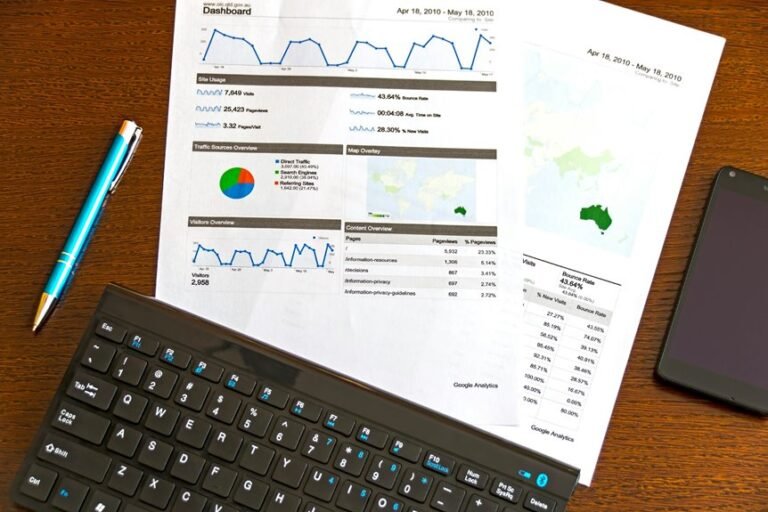
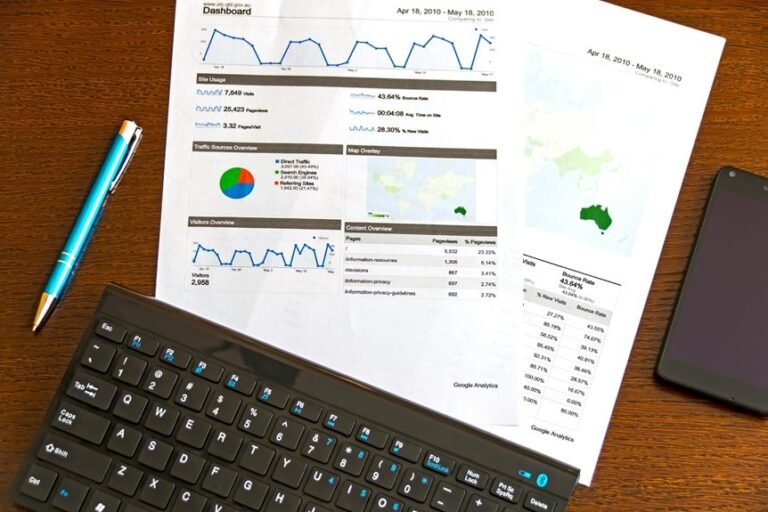
Business intelligence (BI) serves as a vital tool in analyzing consumer behavior related to specific products, including those identified by unique identifiers such as 5550490315, 900700010, and others. By employing predictive analytics and visual data representation, companies can uncover significant trends in purchasing habits. Understanding these patterns may lead to improved marketing strategies. However, the implications of these insights extend beyond immediate sales. What further opportunities might arise from a deeper exploration of these behavioral insights?
The Role of Business Intelligence in Understanding Consumer Behavior
Although many businesses rely on intuition to guide their strategies, the integration of business intelligence (BI) tools has transformed the ability to analyze consumer behavior.
By leveraging predictive analytics and data visualization, companies can derive actionable consumer insights.
Behavioral segmentation and customer profiling facilitate trend identification, enabling businesses to understand market dynamics and consumer preferences, ultimately fostering a more responsive and adaptive approach to strategy formulation.
Analyzing Purchase Patterns for Unique Product Identifiers
A comprehensive analysis of purchase patterns reveals critical insights into consumer preferences and behaviors, particularly when unique product identifiers are employed.
By examining purchase trends and product affinities, businesses can enhance consumer segmentation and understand seasonal fluctuations.
This knowledge aids in predicting brand loyalty and improving sales forecasting, while also providing valuable demographic insights for effective inventory management and strategic planning.
Leveraging Data to Enhance Marketing Strategies
Analyzing purchase patterns through unique product identifiers not only sheds light on consumer preferences but also provides a foundation for refining marketing strategies.
Utilizing data visualization and predictive analytics enables effective customer segmentation and trend forecasting.
Market analysis further informs behavioral targeting, allowing brands to tailor their approaches, enhance engagement, and optimize marketing efforts, ultimately leading to more successful outcomes in a competitive landscape.
Case Studies: Successful Applications of BI in Retail
Numerous case studies illustrate the transformative impact of Business Intelligence (BI) in the retail sector.
Companies that leverage retail analytics effectively gain valuable consumer insights, enabling them to optimize inventory management and personalize marketing efforts.
For instance, a leading retailer utilized BI to analyze purchasing trends, significantly enhancing customer satisfaction and boosting sales.
This demonstrates the profound benefits of data-driven decision-making in retail environments.
Conclusion
In the complex tapestry of consumer behavior, business intelligence serves as the compass guiding companies through the intricate maze of purchasing decisions. By illuminating patterns associated with unique product identifiers, businesses can craft marketing strategies that resonate deeply with their audience. As the threads of data intertwine, they reveal not only consumer preferences but also opportunities for growth. Ultimately, harnessing BI tools transforms raw data into a guiding light, enabling brands to adapt and thrive in an ever-evolving marketplace.